
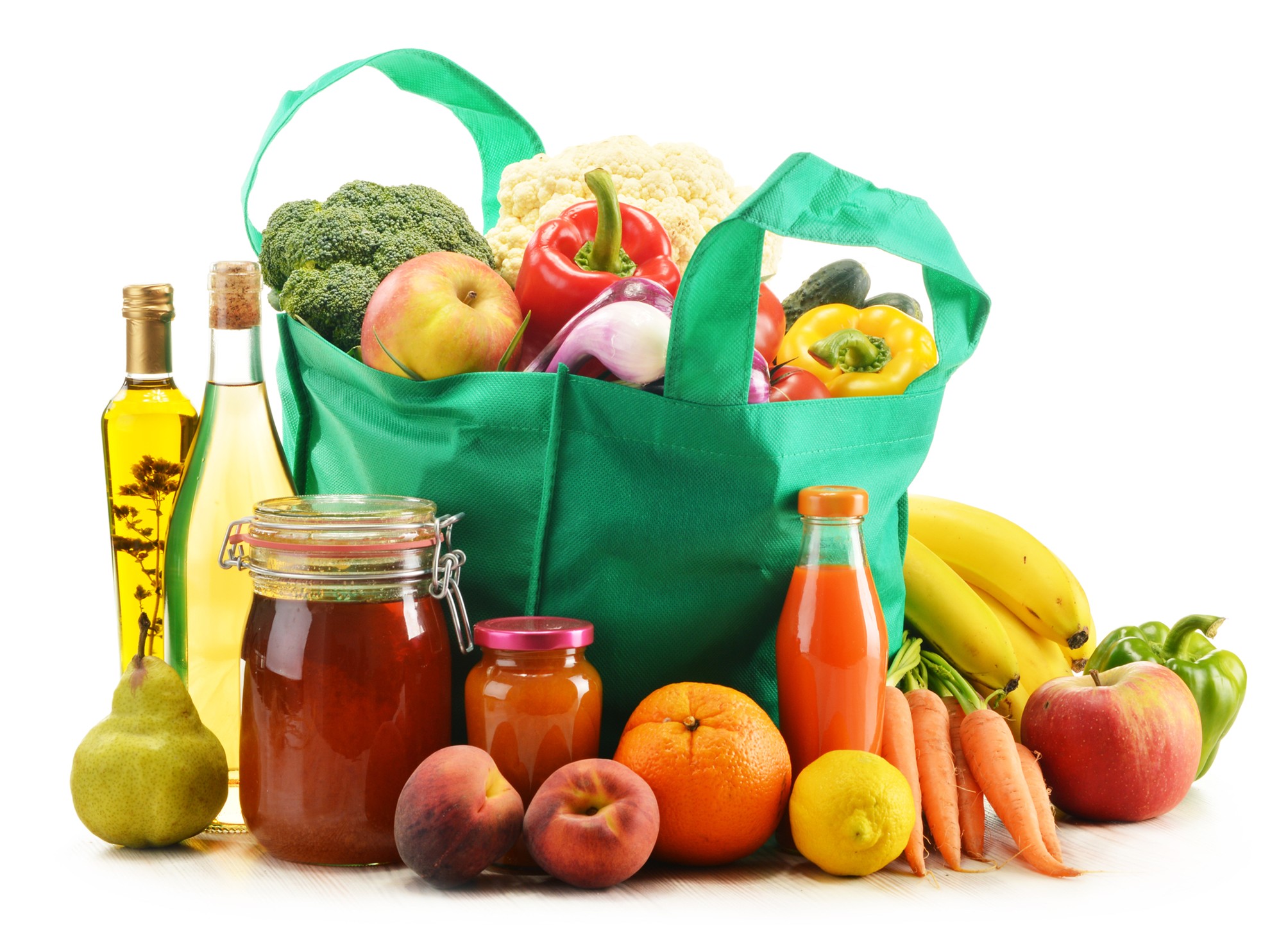
Low-waste grocery shopping sounds like it requires a new personality. The kind of person who remembers their reusable produce bags, brings glass jars for bulk bins, and radiates the calm confidence of someone who has never panic-bought twelve lemons. For most of us, grocery shopping is more like a weekly scavenger hunt where we emerge with dinner ingredients, an impulse snack, and a receipt long enough to qualify as a scarf.
The good news: cutting grocery trash doesn’t require perfection. It requires a routine. A few repeatable steps that reduce packaging, prevent food waste, and make the low-waste choice the easiest choice. This guide gives you a simple, realistic system you can use at almost any store, even if you’re busy, on a budget, or shopping with kids who view the cereal aisle as a theme park.
And yes, if you’re awriting about this for a blog, you can illustrate it with stock photos that look like normal grocery life, not staged “eco influencer” scenes. More on that later.
The Big Idea: Trash Is Often a Side Effect of Decision Fatigue
Most grocery waste doesn’t happen because people don’t care. It happens because shopping is fast, repetitive, and full of small choices. When you’re tired, hungry, or rushed, the packaged convenience options win.
So the goal is to reduce decisions:
- Buy the same core staples most weeks
- Use simple repeatable meal patterns
- Keep a small “low-waste kit” ready
- Shop in a consistent order
- Store food in a way that prevents waste
Think of it like a playlist. You don’t want to reinvent the music every week. You want a set of reliable tracks that keep your household fed with less trash.
Step 1: Start With a “Core List” You Rebuy Every Week
A low-waste routine begins before you enter the store. Create a core list of staples you buy regularly, based on your real life, not your fantasy life.
Examples:
- Fruits you actually eat (bananas, apples, citrus)
- Vegetables you reliably cook (onions, carrots, greens, peppers)
- Proteins you use consistently (beans, eggs, chicken, tofu, etc.)
- Grains and basics (rice, oats, pasta)
- Household essentials (coffee, bread, milk or alternatives)
Why this helps: when you have a stable core list, you make fewer impulse purchases, and you waste less food. Less food waste means less trash and fewer “mystery leftovers” dying quietly in the back of the fridge.
Step 2: Choose 3 “Meal Templates” That Naturally Reduce Packaging
Instead of planning seven unique meals, choose a few meal templates that use overlapping ingredients. This keeps your shopping list tighter and prevents half-used items from becoming compost guilt.
Here are some low-waste-friendly templates:
- Stir-fry or sheet pan meal (uses whatever vegetables you have)
- Soup or chili (perfect for leftover veggies and beans)
- Tacos or grain bowls (easy mix-and-match)
- Pasta night with a vegetable add-in
- Big salad + protein (use up greens quickly)
These templates let you buy larger quantities of a few items rather than many single-purpose ingredients with lots of packaging.
Step 3: Build a “Low-Waste Kit” You Don’t Have to Remember
Low-waste fails when it depends on memory. So create a kit that lives in the same place.
Your kit can be simple:
- 2–4 reusable grocery bags (kept in the car or by the door)
- 3–5 reusable produce bags (mesh or cloth)
- One insulated bag (optional but useful for frozen items)
- A small note on your phone that says: “BAGS?”
That’s it. Don’t overcomplicate it. If you want to use jars for bulk foods, great, but start with bags. Bags alone can cut a surprising amount of trash fast.
Pro tip: if you frequently forget bags, put one bag inside your car seat pocket, backpack, or purse. Make it unavoidable.
Step 4: Shop the Perimeter First (But With a Twist)
“Shop the perimeter” is common advice because produce, meat, dairy, and many staples live there. The twist is to do it strategically to reduce packaging.
Produce: choose loose items when possible
Loose produce usually comes with no packaging. Use your produce bags for:
- Apples, oranges, onions, potatoes
- Loose greens (if available)
- Bulk carrots, peppers, etc.
When packaging is unavoidable, prioritize packaging that’s easier to recycle or reuse, but don’t spiral into perfectionism. The biggest win is simply buying more unpackaged items more often.
Bakery: look for minimal packaging options
If your store has a bakery, you can often choose loaves with less packaging. Some stores allow you to bag bread in paper.
Meat/seafood: focus on fewer, larger purchases
If you eat meat, buying larger packs less frequently can reduce packaging per serving. You can portion and freeze at home.
Dairy: pick larger sizes if you’ll use them
One large container often creates less packaging than multiple small ones. Only do this if you’ll finish it, otherwise food waste cancels the benefit.
Step 5: Choose “Low-Waste Favorites” in the Middle Aisles
The middle aisles aren’t the enemy. They’re where you can find many low-waste staples if you shop thoughtfully.
Look for:
- Dried beans and lentils (often in minimal packaging)
- Rice, oats, pasta in larger sizes
- Canned goods with widely recyclable packaging (varies by location)
- Peanut butter, sauces, and oils in glass jars (reusable containers)
- Spices in larger refills (if available)
If your store has bulk bins, use them for:
- Oats, rice, nuts, dried fruit
- Beans and lentils
- Some spices and snacks
Bulk bins can be a big win, but don’t rely on them. Plenty of low-waste shopping is possible without bulk bins.
Step 6: Reduce Trash by Reducing Food Waste (The Hidden Mega-Win)
Packaging is visible trash. Food waste is invisible trash that also wastes money and resources. A low-waste routine should aggressively target food waste.
Try these tactics:
“Eat the fragile stuff first”
Make a rule:
- First 2–3 days after shopping: eat leafy greens, berries, fresh bread, herbs
- Later in the week: eat sturdier items like carrots, potatoes, apples
Store produce properly
A little storage knowledge prevents a lot of waste:
- Greens: in a container or bag with a paper towel to absorb moisture
- Herbs: in a jar with water like flowers (for some types)
- Berries: don’t wash until you’re ready to eat (unless you do a vinegar rinse and dry well)
- Onions/potatoes: cool, dark, ventilated space
Keep a “use-me-first” shelf
Designate one shelf in your fridge for foods that need to be eaten soon. This stops them from disappearing into the back-of-fridge shadow realm.
Step 7: Have a “Trash-Cutting Default” for Common Items
The easiest routine is one where you don’t debate choices every time. Pick defaults.
Examples:
- Default to loose produce over packaged
- Default to larger size for items you always finish
- Default to concentrates/refills when you’re restocking
- Default to glass jars when price is similar (for reuse)
- Default to items with less extra wrapping
This turns low-waste shopping into autopilot.
Step 8: A Simple Weekly Routine You Can Copy-Paste
Here’s a realistic low-waste grocery routine you can use every week:
- Quick fridge and pantry check (5 minutes)
Note what you already have and what needs to be used soon.
- Pick 3 meal templates
Stir-fry, soup, tacos, pasta, bowls. Keep it simple.
- Build your list around your core staples
Add only a few extras for variety.
- Grab your low-waste kit
Bags, produce bags, optional insulated bag.
- Shop in this order
Produce first (loose items), then staples, then any packaged items you truly need.
- Do a 10-minute “put away with intent” at home
Fragile stuff front and center, “use-me-first” shelf, greens stored properly.
That’s the routine. The magic is repetition, not complexity.
What If You Can’t Avoid Packaging?
Sometimes packaging is the price of admission. That’s okay. Low-waste isn’t all-or-nothing.
When you can’t avoid packaging:
- Choose larger formats you’ll actually use (less packaging per serving)
- Avoid items with excessive layers (box + plastic + tray)
- Pick packaging that’s more likely to be recycled in your area
- Focus on reducing food waste, which often has a bigger overall impact
If you’re on a tight budget, don’t pay extra just for “eco packaging” unless it’s genuinely within reach. The most sustainable choice is often the one that keeps your household stable and reduces waste over time.
If You’re Creating Content: Making Low-Waste Shopping Look Real
If you’re writing about this topic for a blog or website, visuals matter. You want to show “normal and doable,” not “performatively perfect.” You can use stock photos here, but pick scenes that feel everyday: produce aisle close-ups, reusable bags in a trunk, someone placing groceries into jars, a fridge shelf labeled “use first,” a pantry with staples in simple containers.
Search terms that help:
- “reusable grocery bags everyday”
- “produce aisle shopping”
- “bulk bins oats”
- “pantry staples jars”
- “fridge organization leftovers shelf”
- “meal prep vegetables”
The more specific and practical the images, the less they’ll feel generic.
The Fastest Trash-Cutting Wins (If You Only Do Three Things)
If you want immediate impact, start with these:
- Bring reusable bags and produce bags
- Buy more loose produce and fewer heavily packaged items
- Reduce food waste with a “use-me-first” shelf and simple meal templates
These three changes alone can noticeably cut your weekly trash and save money.
Low-Waste Grocery Shopping Isn’t About Being Perfect, It’s About Being Consistent
The secret to low-waste shopping isn’t radical change. It’s a boring, reliable routine you can repeat when you’re tired, busy, or distracted. Once your core list, meal templates, and low-waste kit are in place, your shopping becomes smoother, your fridge waste shrinks, and your trash can fills up slower.
And that’s the real victory: not a flawless zero-waste week, but a system that keeps quietly improving your habits without demanding constant effort. A little less packaging. A little less food waste. A little more intention. Over time, it adds up fast.