
Gaming’s changed dramatically over the past decade. What started as simple console entertainment has exploded into something much bigger — we’re talking mobile games, VR experiences, and massive online multiplayer worlds that connect millions of players.
But here’s the thing: we’re not just seeing new types of games. The entire industry’s getting turned upside down by trends that are reshaping how we think about gaming itself. Let me walk you through four major shifts happening right now.
Trend 1: The Rise of Streaming and eSports
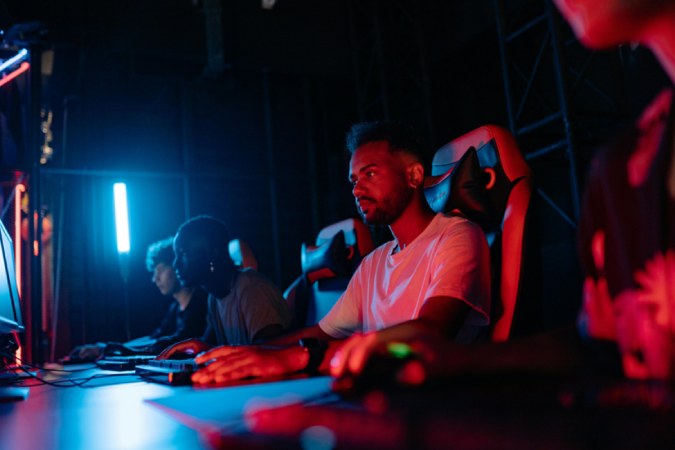
If you’ve spent any time online lately, you’ve probably noticed how huge game streaming has become. Platforms like Twitch and YouTube Gaming aren’t just popular — they’re absolutely massive.
Think about it: millions of people would rather watch someone else play a game than watch traditional TV. That’s wild when you really consider it. But it makes sense because streaming creates this interactive community experience you can’t get anywhere else. Viewers chat with streamers in real-time, make suggestions, and become part of the action.
This shift has pushed eSports into the mainstream big time. Professional tournaments now pull in viewer numbers that rival traditional sports. We’re talking millions of people tuning in to watch the best players compete, with sponsorship deals worth serious money.
The economics are pretty interesting too. Streamers make money through ads, subscriptions, and direct donations from fans. Some top streamers are pulling in six-figure incomes just from playing games and entertaining their audience. Not bad for a “hobby,” right?
Trend 2: The Integration of Artificial Intelligence
AI in gaming has gotten scary good. Remember those old NPCs that would just stand around saying the same three lines over and over? “I used to be an adventurer like you…” Yeah, those days are long gone.
Modern AI creates characters that actually respond to what you’re doing. They learn from your playstyle. Adapt accordingly. It’s like playing against opponents that get smarter the more you play.
But here’s what I find really cool: AI can now adjust game difficulty on the fly based on how you’re performing. Struggling with a boss fight? The AI might dial back the difficulty just enough to keep things challenging but not frustrating. Breezing through levels? It’ll ramp things up to keep you engaged.
As AI keeps advancing (and it’s moving fast), we’re gonna see even more sophisticated applications. We’re talking about game worlds that evolve based on player choices. NPCs with genuinely believable personalities. It’s getting weird in the best possible way.
Trend 3: The Influence of Virtual and Augmented Reality
VR and AR are finally hitting their stride. The PlayStation VR, Microsoft’s HoloLens — these aren’t just cool tech demos anymore. They’re creating genuinely immersive experiences that make you forget you’re wearing a headset.
I’ve tried some of these newer VR games. The level of immersion is incredible. You’re not just controlling a character on screen — you ARE the character. You’re ducking behind cover, reaching out to grab objects, genuinely feeling present in these digital worlds.
What’s really exciting? This technology is spreading beyond entertainment. Schools use VR for virtual field trips. Medical students practice procedures in virtual operating rooms. The applications keep expanding.
As the hardware gets cheaper and more accessible, VR and AR are gonna become much more mainstream. We’re probably just scratching the surface of what’s possible. Give it five years — this stuff’s gonna be everywhere.
Trend 4: The Role of Blockchain Technology
Blockchain in gaming is still pretty new, but it’s solving some real problems. The main appeal? True ownership of digital assets and transparent, secure transactions.
Think about all those rare items you’ve collected in games over the years. With traditional games, you don’t really own them — they exist on the game company’s servers. Game shuts down? Poof, they’re gone. Blockchain changes that by giving you actual ownership of digital items that can potentially be used across different games or platforms.
One interesting development is crypto poker, which combines traditional card games with blockchain technology. This creates secure, transparent online gaming experiences where players can verify the fairness of every hand. It’s a practical example of how blockchain can build trust in digital gaming environments.
The decentralized nature of blockchain could fundamentally change how players interact economically within games. Instead of all transactions going through a central company, players could trade directly with each other. Secure, transparent ways.
Conclusion
The gaming industry’s always been about innovation, but right now feels different. These technologies are converging in ways that are creating entirely new possibilities for how we play, watch, and interact with games.
If you’re a gamer, developer, or just someone interested in technology, this is an exciting time to be paying attention. The next few years are gonna be wild.